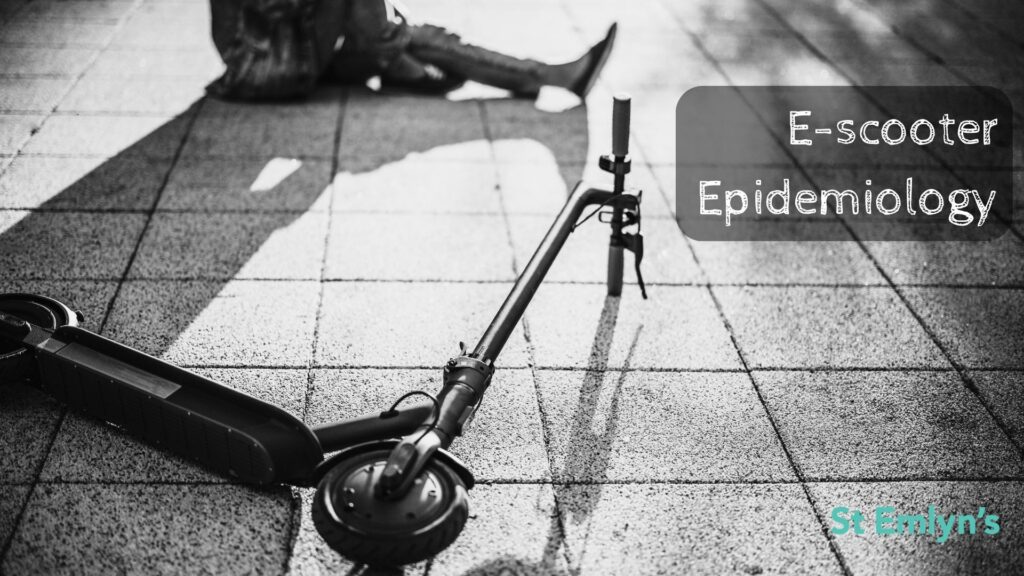
We are seeing more e-scooters on our streets and more patients presenting after coming off them. They are readily available, often ridden without helmets, and quite commonly ridden by children.
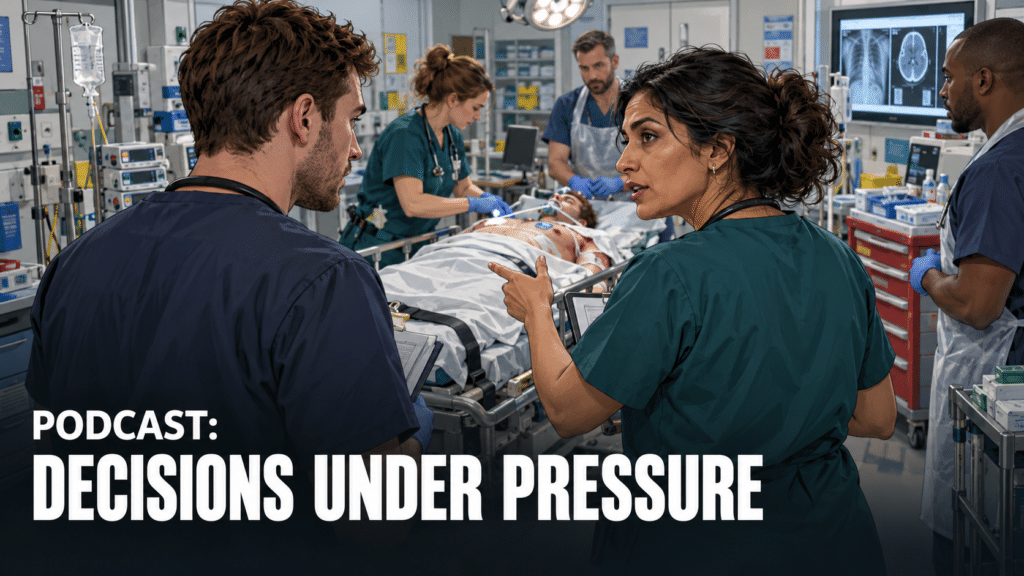
How do you decide when you don't have all the information? Iain Beardsell revisits Tactical Trauma to explore the judgements behind major incident care, triage, eCPR and trauma ECMO.
Communication is SO important in the resus room. Making sure that your message is heard and understood is really important.
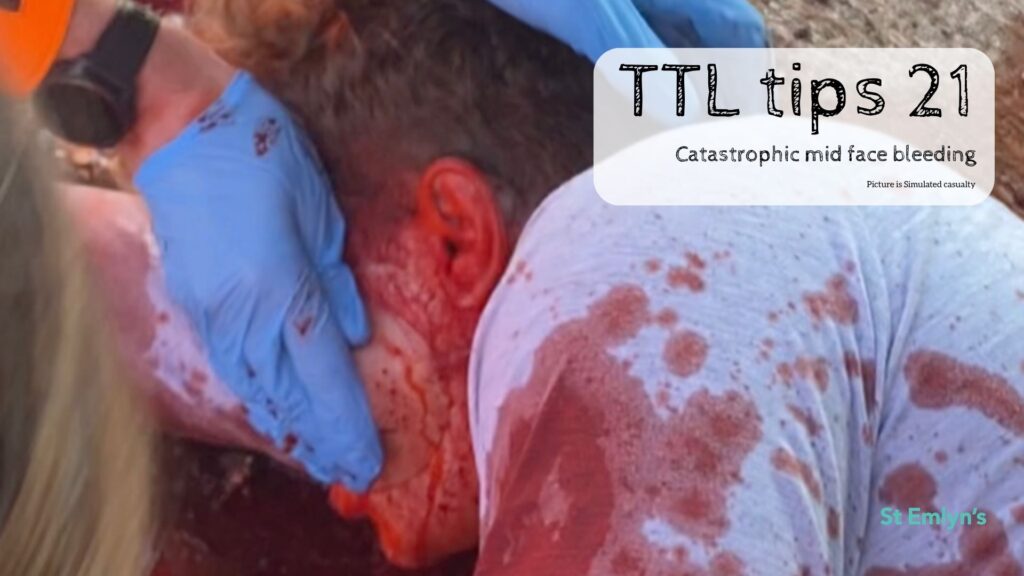
A practical guide to the “stacking” technique for catastrophic midface bleeding in an intubated patient. Covers airway protection, facial support and nasal balloon tamponade, alongside the team and equipment needed for this temporary rescue measure.
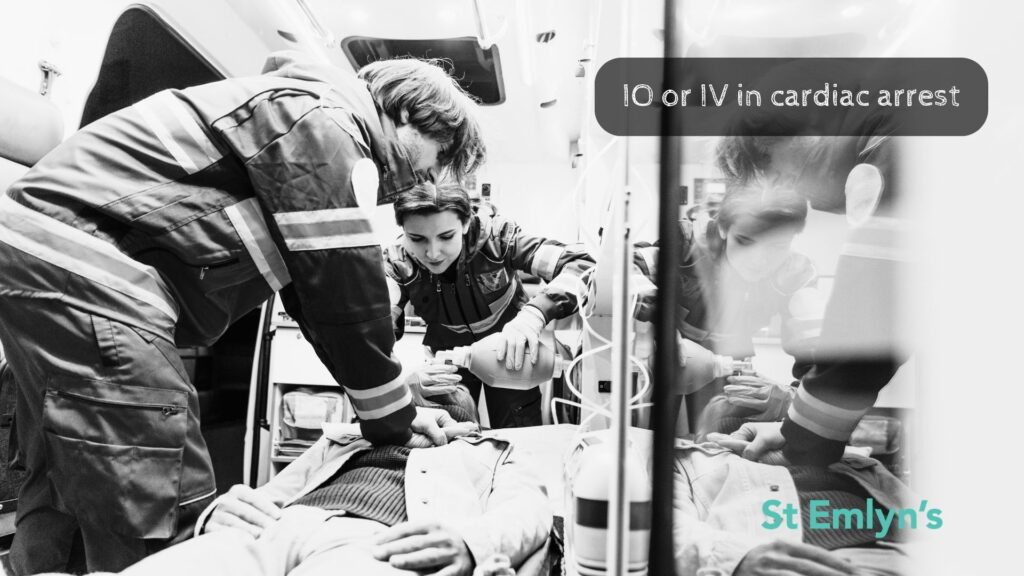
What does pooled patient-level evidence from PARAMEDIC3 and IVIO tell us about which vascular access route to try first? Simon Carley examines survival, neurological outcomes and the practical limits of the findings for out-of-hospital cardiac arrest.
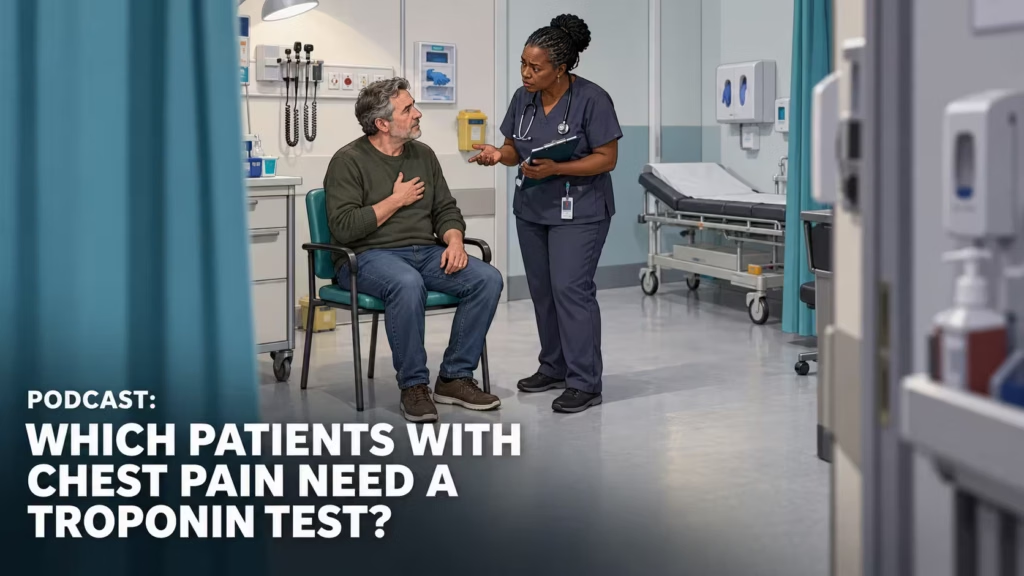
Which patients with chest pain actually need a troponin? Rick Body looks at how much we can trust the history, cardiovascular risk factors and our own clinical judgement before deciding to test.